Subscribe to receive our daily tech reviews
Lorem ipsum dolor sit amet, consectetur adipiscing elit ut liqua purus sit amet luctus venenatis, lectus magna.




What Small Businesses Need to Know about Local SEO Myths?
Don’t let myths hold back your local SEO! Discover effective strategies to boost visibility and attract local customers for your UK small business.
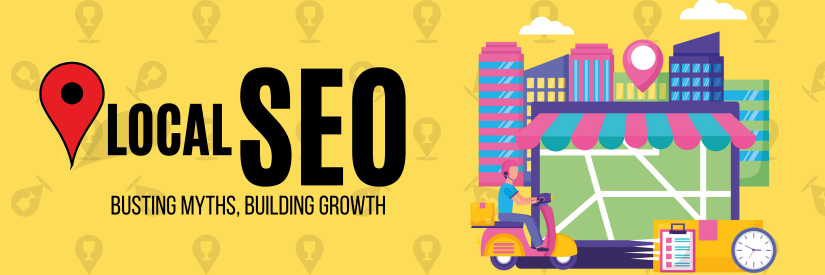
Local SEO is one area that often needs to be noticed or understood when marketing your small business online. You might hear different things from various sources, confusing you about what's true and what's not. In this article, we’ll clarify some common myths surrounding local SEO and give you actionable insights to help improve your visibility in local search results. This information is precious for UK small business owners who rely on local customers to keep their doors open.
Myth 1: You Don’t Need Local SEO If You Have a Small Website
Many small business owners believe that because their website is small, they don’t need to invest time or resources into local SEO. This is far from the truth. Even if your website has only a few pages, optimising those pages for local search is crucial. Why? Because local customers who are searching for your services need to be able to find you quickly and easily. Ignoring local SEO could mean missing out on potential customers in your neighbourhood.
A small website can still be influential in local searches if optimised correctly. Tools like Moz Local can help you ensure your website is correctly listed across various directories and that your business information is consistent. This consistency is key to building trust with search engines, which in turn helps improve your ranking.
Myth 2: Google My Business Is All You Need
While having a fully optimised Google My Business (GMB) profile is essential, it’s not the only thing you should focus on for local SEO. Many business owners think having a GMB listing is enough, but this is just one part of the puzzle. Local SEO involves a combination of on-page and off-page factors, including content optimisation, link building, and customer reviews.
Keeping your GMB profile updated with the latest information is essential, but don’t neglect other aspects of your local SEO strategy. For instance, local citations from reputable websites can significantly boost your rankings. Services like Yext and BrightLocal can help you manage your citations efficiently, ensuring your business information is consistent across the web.
Myth 3: Reviews Aren’t That Important
Some business owners still believe online reviews don’t carry much weight in local SEO. However, customer reviews are more important than ever. Not only do they influence potential customers, but they also impact your local search rankings. Google considers the number, quality, and frequency of your reviews when determining where your business should appear in local search results.
Encourage satisfied customers to leave positive reviews on Google, Yelp, and other relevant platforms. Responding to positive and negative reviews shows you’re engaged with your customers and value their feedback. This engagement can further enhance your online reputation, indirectly improving your local SEO efforts.
Myth 4: Keywords Are All That Matter
While keywords are important, focusing solely on them can be a mistake. Many small business owners spend a lot of time stuffing their content with keywords, thinking it will improve their local SEO. However, keyword stuffing can hurt your rankings. Google’s algorithms are sophisticated enough to detect when content is artificially packed with keywords, which can lead to penalties.
Instead, focus on creating high-quality content that naturally incorporates relevant keywords. Content that provides value to your audience is more likely to be shared and linked to, which can improve your SEO over time. For example, if you run a local bakery, you could create blog posts about the best types of cakes for different occasions or share recipes for popular items on your menu. This type of content helps with local SEO and positions you as an authority in your field.
Myth 5: You Can Ignore Mobile Optimisation
With more people using smartphones to search for local businesses, mobile optimisation is no longer optional. You’ll likely lose many potential customers if your website isn't mobile-friendly. Google prioritises mobile-first indexing, which means it primarily uses the mobile version of your site for ranking purposes.
Your website is responsive, adjusting to different screen sizes and loading quickly on mobile devices. A slow or poorly designed mobile site can frustrate users and lead to higher bounce rates, negatively impacting your SEO. Regularly testing your site on various devices can help ensure a seamless experience for all users.
Myth 6: Paid Ads Replace the Need for SEO
Some small business owners believe that paying for ads on Google or social media can replace the need for SEO. While paid ads can undoubtedly drive traffic to your site, they should complement, not replace, your SEO efforts. Organic search traffic is still precious because it tends to be more sustainable and cost-effective in the long run.
Paid ads can boost you quickly, but SEO helps build a solid foundation for ongoing visibility. Combining both strategies can yield the best results, especially targeting local customers. For instance, using BrightLocal to track your local search rankings can help you identify which keywords are performing well organically, allowing you to allocate your ad budget more effectively.
Myth 7: Local SEO Is a One-Time Task
Local SEO is something you can only set and remember. It requires ongoing effort to maintain and improve your rankings. Search algorithms are constantly changing, and what worked a year ago may need to be more effective today. Regularly updating your website content, acquiring new reviews, and maintaining consistent business information across the web are all essential tasks that need continuous attention.
A service like Whitespark can help you stay on top of your local SEO by offering tools for tracking your rankings, managing your citations, and gathering customer feedback. Regular audits of your local SEO strategy will ensure that you remain competitive and can adapt to any changes in search engine algorithms.
Pro Tip 1: Focus on Hyperlocal Content
Creating content that speaks directly to your local audience can significantly boost your SEO. For instance, if you’re a small business in Manchester, writing blog posts that mention local events, landmarks, or community issues can make your content more relevant to local searchers. This helps improve your SEO and builds stronger connections with your audience.
Pro Tip 2: Don’t Forget About Voice Search
With the rise of voice-activated assistants like Alexa and Siri, optimising your site for voice search is becoming increasingly important. People tend to use more conversational queries when using voice search, so consider how to incorporate these phrases into your content. For example, instead of targeting “best plumber in Leeds,” you might want to include “Who’s the best plumber near me?” in your content strategy.
Don’t Fall for the Myths
Local SEO can seem overwhelming, especially with all the myths and misinformation. However, by focusing on the right strategies and tools, you can improve your local search visibility and attract more customers to your small business. Services like Moz Local, BrightLocal, Yext, and Whitespark offer valuable resources to help you manage and optimise your local SEO efforts.
Local SEO is an ongoing process, but with consistent effort, you can achieve lasting results that will benefit your business for years. Keep learning, stay updated on best practices, and, most importantly, focus on providing value to your local audience.