Subscribe to receive our daily tech reviews
Lorem ipsum dolor sit amet, consectetur adipiscing elit ut liqua purus sit amet luctus venenatis, lectus magna.




Optimising Meta Tags for SEO Success
Boost your SEO with optimised meta tags! Learn how title tags, meta descriptions, and canonical tags can increase visibility and drive organic traffic.
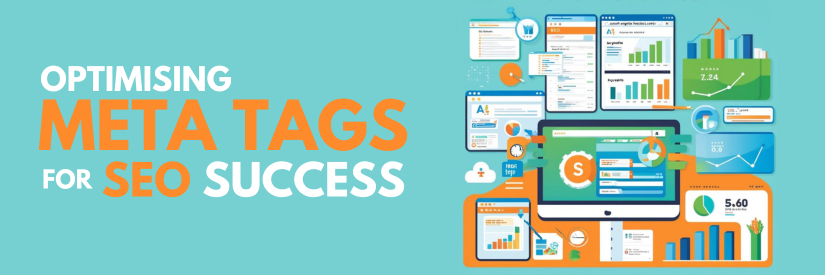
Meta tags—title tags, meta descriptions, and canonical tags—are crucial in making your website more visible on search engine result pages (SERPs). Research shows that optimised meta tags can directly impact click-through rates (CTR) and drive more organic traffic, as nearly 75% of users never scroll past the first page of search results. With 60-character limits on title tags and 150-160 characters for meta descriptions, crafting concise, relevant, and keyword-rich tags can improve your rankings. This article will guide you through the different types of meta tags, explain their functions, and offer actionable steps to make each one work for you. You’ll also learn about tools like Yoast SEO, SEMrush, and Screaming Frog that can simplify optimisation, save time and help boost your online presence.
Meta tags provide search engines with information about your web pages, directly influencing their appearance on search engine result pages (SERPs). Strong meta tags can make your site more appealing to potential customers by increasing its visibility and relevance. For small business owners in the UK, this means more clicks, better engagement, and, ultimately, more conversions.
Types of Meta Tags You Should Know
Understanding the core types of meta tags will give you a solid foundation. Let's dive into the most essential ones:
- Title Tags: These are the clickable titles on SERPs. Ideally, title tags should be around 60 characters and include relevant keywords to attract your target audience. Well-optimized title tags boost your chances of ranking higher on search engines.
- Meta Descriptions: The meta description tag summarises your page’s content, helping users decide to click. Aim for 150-160 characters and include keywords that reflect the page content. Tools like Yoast SEO can help optimise meta descriptions for clarity and keyword relevance.
- Robots Meta Tag: This tag instructs search engines on how to crawl your pages. Tags like noindex or nofollow can prevent specific pages from appearing on SERPs or from passing authority to linked pages. This tag is beneficial if you want to avoid indexing duplicate content.
- Canonical Tag: The canonical tag helps prevent duplicate content issues by telling search engines which version of a page is the primary one. If your site has similar pages, such as product variations, setting a canonical tag is a good practice to avoid potential ranking issues.
- Meta Name "viewport" Content: For mobile-friendly design, this tag ensures your page adjusts correctly across different screen sizes. It’s significant for improving the user experience, which indirectly supports SEO.
Crafting Effective Title Tags and Meta Descriptions
The title tag and meta description can impact your ranking and click-through rate (CTR). Here are some strategies to make these tags work for you:
1. Be Clear and Concise
Your title tag and meta description should reflect the page content. Keep title tags within 60 characters to prevent truncation on SERPs. The meta description should be straightforward and give users a reason to click, staying within 160 characters.
2. Use Relevant Keywords
Adding keywords that align with user intent makes your tags more relevant. Tools like SEMrush help identify keywords that fit your business and audience. SEMrush’s keyword research tool lets you find high-impact keywords that resonate with potential customers.
3. Highlight Benefits
Incorporate benefits or features in your meta descriptions to make your offering stand out. Phrases like “Free Delivery on Orders Over £50” or “Same-Day Service Available” can attract clicks from people looking for specific solutions.
- Pro Tip: Avoid keyword stuffing. Aim for natural-sounding descriptions that entice users without overwhelming them.
Tools for Meta Tag Optimisation
Meta tags can be daunting, but SEO tools make it easier. Here are a few tools that are highly useful for small business owners:
- Yoast SEO: Ideal for WordPress users, Yoast provides an easy-to-use interface for crafting meta tags. It offers real-time suggestions on how to improve your title tags, meta descriptions, and keywords.
- Screaming Frog: This tool crawls your site, identifying issues with meta tags, duplicate content, and broken links. It helps audit your site’s SEO health and optimise tags for each page.
- SEMrush: Besides keyword research, SEMrush’s SEO audit tool can spot meta-tag issues and recommend improving your tags for better search visibility.
Common Mistakes to Avoid
A few common mistakes regarding meta tags can prevent your site from performing well. Let’s look at some pitfalls and how to avoid them.
1. Ignoring Duplicate Content
Duplicate content must be clarified for search engines, which may need to know which page to rank. Use canonical tags to signal the primary version of similar pages, avoiding issues with keyword cannibalisation and ensuring the right page ranks.
2. Forgetting to Update Meta Tags Regularly
Your business evolves, and so should your meta tags. Updating your tags to reflect new services, products, or promotions helps keep your content relevant for search engines and users. Set a quarterly reminder to review your tags and update them as needed.
3. Overlooking Alt Text for Images
Alt text is another overlooked meta tag that supports SEO. Descriptive alt text improves accessibility and helps search engines understand image content, enhancing your visibility in image searches.
Meta Tags and SEO Best Practices
Creating effective meta tags goes beyond writing compelling titles and descriptions. Here are a few additional best practices to keep in mind:
- Avoid Overstuffing Keywords: Search engines can penalise pages with forced keywords. Use a balanced approach with keywords that fit naturally within your meta tags.
- Incorporate Branding: Adding your business name to title tags can help establish your brand. For example, “Affordable Web Design Services | YourBrand” can create a memorable impression on users.
- Align with User Intent: Use tools like Google Search Console to identify the terms users search before clicking on your site. Aligning your meta tags with these terms helps improve relevancy and click-through rates.
- Focus on Local Keywords: For UK small businesses, targeting local terms in your meta tags can improve visibility. Phrases like “Web Design in London” or “SEO Services Birmingham” make it easier for nearby customers to find you.
Analysing and Improving Your Meta Tags Over Time
Your meta tags may require tweaks over time. Testing new versions and comparing their performance is an effective strategy. Consider using A/B testing for meta descriptions on essential pages, measuring metrics such as CTR and bounce rates. Refining these tags based on data can steadily improve your SEO performance.
- Pro Tip: Regularly check your CTR for individual pages in Google Search Console. If some pages have lower CTRs, consider testing alternative meta descriptions to boost clicks.
The Role of Meta Tags in SEO: Final Thoughts
Optimising meta tags is a simple yet powerful way to improve SEO and drive traffic to your website. From title tags and meta descriptions to canonical tags and alt text, these minor tweaks can significantly increase visibility, CTR, and overall site performance. Tools like Yoast SEO, SEMrush, and Screaming Frog can help streamline the process, saving you time while ensuring that each page is optimised to its fullest potential.
Take a proactive approach by auditing and updating your tags regularly. Keeping your meta tags relevant and user-focused can create a solid foundation for SEO success that attracts search engines and potential customers.