Subscribe to receive our daily tech reviews
Lorem ipsum dolor sit amet, consectetur adipiscing elit ut liqua purus sit amet luctus venenatis, lectus magna.




How Website Analytics Can Help Small Businesses Grow: A Complete Guide
Unlock valuable insights to improve your website's performance, boost user experience, and grow your small business with essential website analytics tools and metrics!
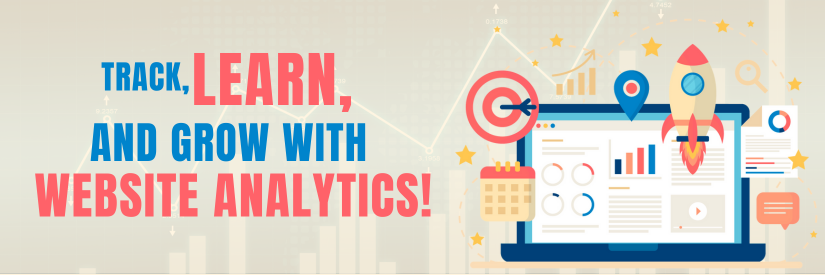
Tracking website performance is one of the most important aspects of running a small business online. Without proper insights into your website's traffic, you're essentially flying blind. Understanding how people interact with your site, what pages they visit, and where they drop off can be crucial in making informed decisions to improve your business. That's where website analytics comes into play. This guide will explain how small business owners can use website analytics to improve user experience, drive growth, and better understand customer behaviour.
Why Website Analytics Matter for Small Businesses
Website analytics give you valuable insights into how visitors engage with your site. You can track where your visitors are coming from, whether it's through social media, search engines, or email marketing campaigns. More importantly, you can see what they do once they land on your site, such as which pages they visit, how long they stay, and whether they complete desired actions like purchasing or signing up for your newsletter.
For small business owners, this data can guide decisions on everything from website layout to marketing strategies. You don't need to guess what's working; you can analyse complex data to see how your audience behaves.
Key Website Metrics to Track
Understanding which metrics matter most to your business is essential to get the most out of your analytics. Here are a few that should be on every small business owner'sowner's radar:
1. Traffic Sources
Where are your visitors coming from? This metric tells you whether your website visitors found you via social media, search engines, direct visits, or referrals from other sites. Knowing this can help you identify which marketing campaigns drive the most traffic and where to invest more resources.
2. Unique Visitors
Tracking the number of unique visitors helps you understand how many new people visit your site over a set time frame. While repeat visitors are important, knowing how many first-time visitors you're attracting can give insight into the reach of your marketing efforts.
3. Bounce Rate
Bounce rate shows the percentage of users who visit a single page on your website and then leave without interacting further. A high bounce rate often signals that users need help finding what they're looking for or that the page experience needs to be more engaging.
4. Time on Page
How long are users spending on your pages? This can help gauge whether they're reading the content or skimming. Longer time on the page often indicates engaging, valuable content.
5. Conversion Rate
Ultimately, one of the most important metrics is the conversion rate—the percentage of visitors who complete a desired action, whether filling out a form, making a purchase, or signing up for your email list. Tracking this helps you measure the success of your website's primary goal.
Web Analytics Tools: Which One Should You Use?
There are various tools available for analysing website traffic. Below are some popular ones that can provide small businesses with the data they need to improve website performance:
- Google Analytics is one of the most widely used tools for tracking website data. It's free and offers comprehensive reports on metrics like traffic sources, bounce rate, and conversion rate. You can also track specific goals, set up custom reports, and even integrate with Google Ads to monitor the success of your marketing campaigns.
- Matomo is another option that provides website analytics while giving you complete control over your data. For small business owners prioritising privacy, Matomo can be hosted on their server, meaning your data isn't shared with third parties. It also offers a range of features similar to Google Analytics but with added flexibility.
- If you're looking for more detailed insights into user behaviour, Hotjar is your tool. It lets you see how users interact with your site through heatmaps, session recordings, and conversion funnels. This can help you identify which parts of your site work well and which may need improvement.
- SEMrush is primarily known for its SEO features, but it also offers website analytics that can help you track traffic, keywords, and backlinks. For small business owners looking to improve their SEO and website performance simultaneously, SEMrush can be a powerful tool.
How to Use Analytics to Improve Your Website
Now that you understand what metrics to track and the tools to use, let's discuss how to use this data to improve your site.
1. Improve Content Based on Time on Page
If users spend little time on certain pages, it might be time to rework the content. Try to make the content more engaging by breaking up text with images, bullet points, and subheadings. You can also add internal links to related articles to keep readers engaged for longer.
2. Optimize Pages with High Bounce Rates
High bounce rates indicate a page's content or design isn't compelling enough. Start by analysing whether the page matches the visitor's intent. Are they getting the information they expect? Tools like Hotjar can help you track where visitors are clicking, allowing you to see if they need clarification on the layout or if they are missing critical calls to action.
3. Track and Boost Conversions
You have a lot of traffic, but your conversion rate could be higher. This indicates that people must take the desired action while visiting your site. You can use tools like Google Analytics to track where people drop off in the conversion funnel. Are they abandoning the cart? Not completing a sign-up form? Identifying these pain points can help you optimise these areas.
For instance, if users abandon your cart, consider simplifying the checkout process or offering free shipping to encourage them to complete their purchases.
The Role of Analytics in SEO
One of the most significant advantages of website analytics is that it provides insights into your SEO efforts. With tools like SEMrush, you can track which keywords drive traffic to your site and which pages rank highest on search engines. This can help you identify areas for improvement and opportunities for keyword optimisation.
For example, if you notice that specific blog posts drive a lot of traffic, consider expanding on those topics or linking to them from other website areas. You could also analyse your competitors' keywords and develop content around those to improve your search rankings.
Want to drive more organic traffic? Focus on long-tail keywords related to your niche with lower competition but high search intent.
Using Analytics for Better Customer Insights
Analytics tools don't just help you improve website performance; they also provide a window into customer behaviours. You can see which pages or products are most popular, what time of day people visit your site, and how they navigate through your pages. This information can help you tailor your marketing efforts more effectively.
For example, if you notice that most of your traffic comes from social media during lunchtime, you could schedule your posts to go live around that time to maximise engagement. Use heatmaps from tools like Hotjar to see which parts of your website users are engaging with the most and adjust your layout accordingly.
Key Takeaway
Understanding website analytics is for more than just tech experts. As a small business owner, these insights can help you make informed decisions about your website, improve user experience, and ultimately drive more conversions. Whether you're using Google Analytics, Matomo, Hotjar, or SEMrush, the key is regularly checking your data and using it to guide your strategy. By paying attention to your traffic sources, bounce rate, time on page, and conversion rate, you can fine-tune your website to meet your customers' needs better—and grow your business.
.png)