Subscribe to receive our daily tech reviews
Lorem ipsum dolor sit amet, consectetur adipiscing elit ut liqua purus sit amet luctus venenatis, lectus magna.




How to Choose the Right Email Marketing Tool for Your Business
Learn how to choose the right email marketing tool for your business with tips on key features, pricing, and scalability to boost your email campaigns.
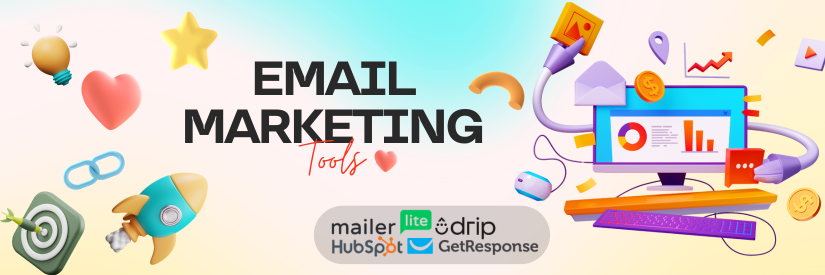
Choosing the right email marketing tool is crucial for small businesses looking to improve their marketing efforts. With countless options, selecting the right platform that fits your business needs can feel overwhelming. In this article, we'll walk you through practical tips to make an informed decision, whether you're new to email marketing or looking to upgrade your current software.
Understand Your Business Needs
Before comparing features, think about what you need. Is your goal to build a strong email list, manage customer relationships, or send newsletters? The best email marketing tools offer a variety of features, but not all of them will be necessary for every business. For example, if you're just starting, platforms like MailerLite provide an easy-to-use interface with drag-and-drop email options, perfect for creating quick, professional-looking emails without coding knowledge.
On the other hand, if your business handles more extensive email lists and more advanced marketing campaigns, a platform like HubSpot might be a better fit. HubSpot’s email tool seamlessly integrates with its CRM (Customer Relationship Management) system, helping you manage customer relationships more effectively while automating workflows.
Pro Tip: Choose a platform that matches your current needs but can also grow with your business as you expand.
Look for Features That Matter
Regarding email marketing, the basics include creating emails, managing lists, and tracking performance. However, many platforms offer additional tools to make email marketing more effective. Let’s take a look at some features you might want to consider:
- Email Templates: Pre-designed templates can save you time and make your emails look professional.
- Automation is key for sending personalised emails at the right time, such as welcoming new subscribers or following up with customers after a purchase. Tools like GetResponse excel at automation, offering workflows to help automate your customer journey.
- Reporting: You’ll want to track open rates, click-through rates, and other performance metrics. The right platform should provide precise analytics to help you improve your email campaigns.
- Segmentation: Targeted emails perform better. Look for tools to segment your audience based on behaviour, preferences, or demographic information.
- Customer Support: When you hit a snag, it’s helpful to have responsive support—platforms like Drip offer top-notch customer support, which is ideal for businesses needing that extra hand.
Consider Email Tool Pricing
Email marketing tools offer various pricing options, from free plans to premium packages. Budget is always a key consideration for small businesses, but going for the cheapest option might only sometimes be the best move if it lacks the features you need.
MailerLite, for instance, offers a free plan for up to 1,000 subscribers, which is excellent for small businesses just starting. However, upgrading to a paid plan might be necessary if you require advanced features like automation or A/B testing.
In contrast, HubSpot is more expensive but offers more comprehensive features, including CRM integration, making it worth investing in businesses that need a more robust system.
It’s all about balancing price with features. Most platforms offer tiered pricing models, so you can start small and scale up as your business grows.
Look at Ease of Use
Your email marketing tool should make life easier, not harder. A platform with a steep learning curve can slow down your progress. Simplicity should be a key factor, especially if you or your team is new to email marketing. Tools like MailerLite and GetResponse are known for their user-friendly interfaces, which are perfect for beginners.
Conversely, if you’re comfortable with more advanced tools and need more sophisticated marketing options, platforms like HubSpot or Drip offer more flexibility but may take some time to learn.
Test out free trials or demos to see which platform feels the most intuitive for you and your team. Many tools provide a trial period to let you explore their features and interface without commitment.
Check Integration Options
Your email marketing software should integrate well with the tools you already use. For instance, if you’re running an e-commerce store, it’s beneficial to connect your email platform to your website or payment system to send transactional emails. Platforms like Drip are built for e-commerce businesses and offer seamless integration with Shopify and WooCommerce, making sending personalised product recommendations and follow-up emails easy.
If you already use a CRM system, ensure your email tool integrates smoothly. For businesses already using HubSpot’s CRM, the email marketing tool fits in ideally, allowing you to manage your contacts, track engagement, and nurture leads in one place.
Automation Capabilities
Automation can be a game-changer for busy business owners. Whether sending out a welcome email as soon as someone signs up or automatically following up with customers who abandon their shopping cart, automation helps you stay connected with your audience without constant manual effort.
Tools like GetResponse excel in marketing automation, offering drag-and-drop workflow builders that make setting up complex customer journeys easy. This feature is handy if you have a more extensive customer base and must send different emails based on customer actions or preferences.
Pro Tip: Automation doesn’t have to be complicated. Start with simple workflows like welcome emails and expand as you get more comfortable.
Scalability and Future Growth
As your business grows, so will your email marketing needs. It is essential to choose an email marketing platform that can grow with you. This is where scalability comes into play. If you anticipate rapid growth, look for a platform that can accommodate more extensive email lists and sophisticated campaigns.
Platforms like HubSpot are designed with scalability in mind, offering a variety of tools that help businesses of all sizes. If you’re planning to add more marketing efforts, such as lead nurturing, landing pages, or customer support, choosing a platform that can integrate all of these functions seamlessly makes sense.
Track Your Results and Improve
Email marketing tool is only complete with tracking and reporting. Pay attention to how the platform reports on key metrics like open and click-through rates. Most email marketing solutions will give insight into your campaigns' performance, but some provide more in-depth reports than others.
Drip offers advanced analytics, helping you see which emails drive conversions so that you can adjust your strategy accordingly. This insight is invaluable when fine-tuning your marketing efforts to achieve better results.
The Bottom Line
Selecting the right email marketing tool doesn’t have to be complicated. By focusing on your specific business needs, exploring key features like automation and reporting, and ensuring the platform integrates well with your existing tools, you’ll be well on your way to running successful email campaigns.
Whether you choose MailerLite for its ease of use, GetResponse for its automation capabilities, or HubSpot for its comprehensive CRM integration, the key is to find a tool that fits your current needs while offering room to grow. Investing in the right email marketing platform now will set you up for better customer engagement and long-term success.