Subscribe to receive our daily tech reviews
Lorem ipsum dolor sit amet, consectetur adipiscing elit ut liqua purus sit amet luctus venenatis, lectus magna.




How to Choose the Best Hosting Service for Your Small Business
Find the best web hosting for your small business. From shared to dedicated options, here’s how to choose a host that fits your needs and budget."
.png)
An exemplary web hosting service can make or break your small business website. Whether starting an online store, a portfolio site, or simply needing a presence online, the exemplary hosting service will ensure your site runs smoothly, securely, and scales as your business grows. But with so many options for small businesses, it’s easy to feel overwhelmed. Do you go for shared hosting, VPS, or even dedicated hosting? What about SSL certificates and email accounts? Let’s break down what matters most for small businesses when choosing a hosting service and help you find the best hosting option.
Understanding Different Types of Hosting
There’s no one-size-fits-all solution for hosting services. Every business has different requirements, and hosting companies offer several plans to cater to those needs. Here's a quick overview of the most popular types of hosting:
1. Shared Hosting
Shared hosting is the most affordable option for small businesses. You share server resources with other websites, making it a cost-effective solution. However, it can also mean slower performance if neighbouring websites on the same server get a lot of traffic. For businesses just getting started, shared hosting is an excellent budget-friendly choice. Popular hosts like *Bluehost* and *Hostinger* offer solid shared hosting plans at competitive prices, starting as low as £2.49/month. This can be a great starting point if your website is small or just launching.
2. VPS Hosting
VPS (Virtual Private Server) hosting is a step from shared hosting. It offers better performance by giving you your dedicated portion of server resources, even though you’re still sharing the physical server with others. This can provide more security and reliability for growing businesses that need more than shared hosting. For example, SiteGround offers excellent VPS hosting options for businesses that have outgrown shared hosting but aren’t quite ready for dedicated servers. With VPS hosting, you can expect faster load times and better customer support.
3. Dedicated Hosting
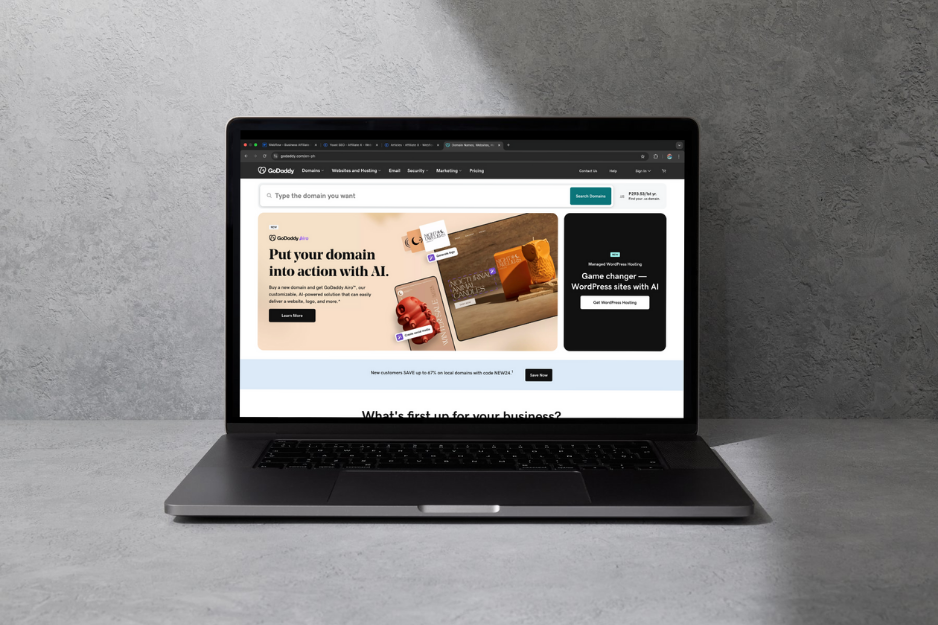
If you’re running a high-traffic site or require total control over your server, dedicated hosting may be for you. You have an entire server with devoted hosting, translating to maximum power, performance, and security. It’s more expensive, but it can be worth it for larger small businesses or eCommerce platforms. For dedicated hosting, GoDaddy is one option that provides top-tier features for businesses ready to invest in premium hosting services. It’s pricier than shared or VPS hosting, but it can give you peace of mind for large operations.
What Features Matter the Most?
With hosting, it’s easy to get lost in all the features hosts offer. However, not all of them may be relevant to your small business. Here are a few that should be high on your list:
1. Security Features
Security is a priority if your website handles customer data or transactions. Look for hosting services that offer SSL certificates, malware protection, and automated backups. An SSL certificate is vital for encrypting sensitive information; most hosts include it in their plans for free. If you plan to run an eCommerce store, this is non-negotiable. *Bluehost* and *SiteGround* both include free SSL certificates in their packages, making them strong contenders for secure hosting.
Pro Tip: Always check if your host offers regular backups. They provide an extra layer of security in case your site goes wrong.
2. Storage and Bandwidth
Depending on the size of your website, you’ll want to choose a host that offers enough storage and bandwidth to accommodate your needs. For small blogs or websites, 10GB might be enough. But if you plan to upload lots of media (videos, images, etc.), look for more storage and bandwidth flexibility. *Hostinger* and *SiteGround* are great options if you need scalable storage as your website grows.
3. Customer Support
Customer support can be a lifesaver, especially when something goes wrong with your site. Look for hosting services that offer 24/7 customer support through chat, phone, or email. Some hosts also provide dedicated support teams for specific hosting plans. Responsive customer service can be a game changer if you need to be more. GoDaddy is well-known for its support team, which offers multiple ways to get help. This is crucial if you encounter issues like website downtime or security threats.
Free Domains and Email Accounts
Many hosting companies bundle their plans with free domain names and professional email accounts. While this might seem like a small perk, having a custom domain and professional email (e.g., yourname@yourbusiness.com) adds credibility to your business and can make managing communications much more accessible. For instance, Bluehost includes a free domain for the first year, making it a cost-effective solution for starting small businesses. Plus, they offer custom email accounts, which means you can get all your essential business tools from one place.
Web Hosting for E-Commerce Sites
If you plan on running an eCommerce website, your hosting needs are more specific. You’ll require secure hosting services, faster load times, and the ability to handle more visitors simultaneously. VPS or dedicated hosting becomes essential, as these options offer better scalability. You should also ensure the hosting provider integrates well with popular eCommerce platforms like WooCommerce or Shopify. *SiteGround* is a strong option as it offers WooCommerce-specific hosting plans optimised for speed and security.
How to Choose the Right Host for Your Small Business
When choosing a web hosting company, it's essential to assess your business's needs carefully. Here are some final points to keep in mind:
1. Budget: Start by determining what you can afford. Shared hosting could be enough if your business is small and you’re testing the waters. As your business grows, you can move to VPS or dedicated hosting.
2. Scalability: You want a host that can grow with your business. Consider what happens when your traffic spikes or you need more storage space. Will your host be able to accommodate your growth?
3. Security: Ensure your host offers solid security features, mainly if you handle customer data. SSL certificates, DDoS protection, and regular backups are must-haves.
4. Customer Support: Consider how much support you need. If you’re unfamiliar with website management, 24/7 support could be invaluable.
Final Thoughts
Choosing a web host doesn’t have to be complicated. By focusing on your business’s current needs—budget, storage, security, and support—you can find a hosting solution that suits you. Popular options like *Bluehost*, *SiteGround*, *Hostinger*, and *GoDaddy* all provide excellent services for small businesses. Whether you’re just starting or looking to scale, these hosts offer affordable plans and outstanding customer service. Remember, your hosting choice impacts your website's performance and your business's success. Take the time to compare features, consider your future needs, and make the best choice for your small business.
.png)