Subscribe to receive our daily tech reviews
Lorem ipsum dolor sit amet, consectetur adipiscing elit ut liqua purus sit amet luctus venenatis, lectus magna.




A Beginner’s Guide to Email Segmentation for Higher Conversions
Boost email conversions by segmenting your audience! Tailor your emails to different groups for personalized, relevant content that drives higher engagement.
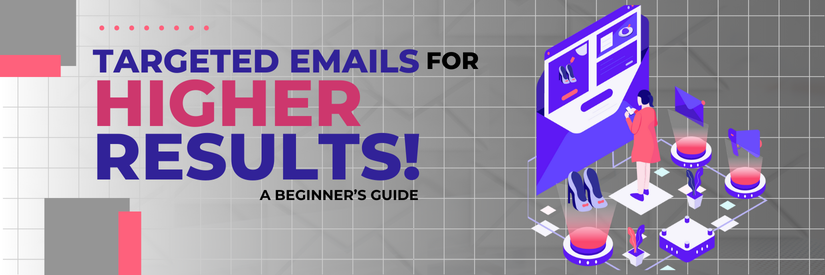
Email marketing is one of the most effective ways to connect with your audience, but if you are still looking for the results you want, it might be time to look at your email segmentation strategy. By dividing your email list into smaller, targeted groups, you can deliver more relevant content to your subscribers, which leads to higher conversions. In this guide, we’ll walk you through the basics of email segmentation and how to implement it to boost your email marketing success.
Why Email Segmentation Matters
Sending the same email to everyone on your list might seem like a time-saver, but it often leads to lower engagement and more unsubscribes. People receive countless emails daily; if your message doesn’t resonate, they will likely ignore it or mark it as spam. This is where email segmentation comes in.
When you segment your email lists, you tailor your content to match the specific interests, behaviours, and needs of different groups within your audience. This increases the chances that your emails will be opened, read, and acted upon. Research shows that segmented campaigns can lead to a 760% increase in revenue compared to non-segmented campaigns.
Whether you’re using Klaviyo, ActiveCampaign, Mailchimp, or Campaign Monitor, these platforms offer potent tools for segmenting your audience effectively.
Getting Started with Email Segmentation
1. Understand Your Audience
Before you start segmenting, you need to understand your audience. What are their interests? How do they interact with your emails? Are they new customers or long-time subscribers? Use data from your email marketing platform to gather insights into your audience’s behaviour. For example, if you’re using Mailchimp, you can access detailed reports on open rates, click-through rates, and purchase history. This information will help you identify patterns and group your audience accordingly.
2. Identify Key Segments
The next step is to identify the key segments within your audience. Here are some common ways to segment your email lists:
- Demographics: Age, gender, location, and income level can all be used to create targeted segments. For example, if you’re a clothing retailer, you might want to email men and women differently based on their shopping preferences.
- Purchase History: Segmenting by purchase history allows you to send relevant product recommendations or special offers to those who have already bought from you. Platforms like Klaviyo make it easy to automate these types of campaigns.
- Engagement Level: Not all subscribers interact with your emails similarly. Some may open every email you send, while others might only engage occasionally. By segmenting your list based on engagement, you can re-engage inactive subscribers with targeted content or reward loyal customers with exclusive offers.
- Behavioural Data includes actions like clicks, website visits, and downloads. ActiveCampaign and Campaign Monitor offer sophisticated tools to help you track and segment your audience based on these behaviours.
3. Craft Personalised Content
Once you’ve identified your segments, it’s time to create content that speaks directly to each group. Personalisation goes beyond just adding the recipient’s name to the email. It’s about addressing their specific needs and interests. For example, if you’re targeting a segment of frequent buyers, you might want to send them a sneak peek of new products or a VIP discount. If you’re re-engaging inactive subscribers, consider offering a special incentive or asking for feedback on why they haven’t interacted with your emails.
Pro Tip: Keep your subject lines and preview text relevant to your target segment. This can significantly increase your open rates.
4. Test and Optimise
Segmentation isn’t a one-time task; it’s an ongoing process. Regularly test different segments and strategies to see what works best for your audience. A/B testing is a great way to experiment with other content, subject lines, and send times. Tools like Campaign Monitor offer built-in A/B testing features, allowing you to compare the performance of different segments easily. Use the data from these tests to refine your segments and improve your targeting over time.
Common Pitfalls to Avoid
While email segmentation can significantly enhance your marketing efforts, there are some common pitfalls to be aware of:
- Over-Segmenting: While it’s essential to tailor your content, creating too many segments can lead to a fragmented strategy and make it difficult to manage your campaigns. Focus on a few key segments that provide the most value.
- Ignoring Data: Successful segmentation relies on data. You might miss opportunities to optimise your strategy if you don’t regularly review your performance metrics. Stay informed by reviewing your reports using tools like Klaviyo or ActiveCampaign.
- Lack of Consistency: Your audience’s interests and behaviours can change. Regularly update your segments to reflect these changes and keep your content relevant.
Integrating Email Segmentation into Your Overall Strategy
Email segmentation is just one piece of a successful email marketing strategy puzzle. To get the most out of your efforts, make sure it aligns with your overall marketing goals. This includes using consistent branding, maintaining a regular sending schedule, and integrating your email campaigns with other channels like social media and your website. For example, if you’re running a seasonal promotion, you can use segmentation to target different groups with tailored offers and reinforce the message by retargeting social media ads. Platforms like Mailchimp make it easy to sync your email segments with your Facebook or Instagram ad campaigns, ensuring a cohesive message across all channels.
Key Takeaways
Email segmentation is a powerful tool that can lead to higher conversions, improved engagement, and better customer relationships. Understanding your audience, identifying key segments, crafting personalised content, and regularly testing your strategies can take your email marketing to the next level. Whether you’re using Klaviyo, ActiveCampaign, Mailchimp, or Campaign Monitor, these platforms provide the features you need to implement effective segmentation. Start small, focus on what works for your business, and watch your email marketing success grow.
Remember, the key to successful email segmentation is relevancy. When your subscribers feel like your emails speak directly to them, they’re more likely to engage, convert, and stay loyal to your brand.